The prototype targets Staphylococcus aureus and Escherichia coli bacteria that cause mastitis. Nicols Pizarro, INIA Remehue Regional Director, stated that mastitis is one of the most important economic problems in the dairy sector, affecting cow health, milk production and milk quality. According to Pizarro's data, the disease accounts for about $30 billion worldwide and $45 million in Chile directly and indirectly.
The project dealt with bacteriophages in the form of viruses that specifically attack bacteria that cause the disease. Carolina Bascur, director of Vertebral Biotech, reported that the biological product developed in field observations was harmless to cows, contributing to a reduction in bacteria and a decrease in mastitis during the dry period. The ratio of this reduction or the sample size of the study was not explained in the source.
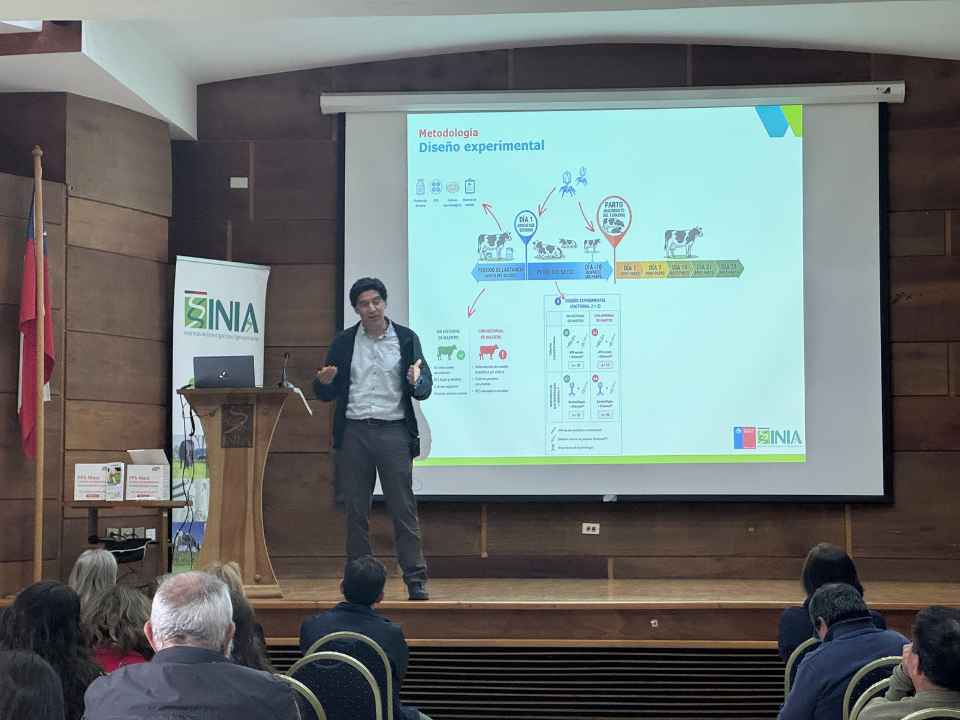
INIA researcher Andrés Carvajal presented the results of a clinical study evaluating the use of bacteriophages in the treatment of mastitis during the dry period. The research team aims to transform the current prototype into a commercial product; the product is not stated to be commercially available.