
The increase occurred in the first five months following the entry into force of the EU-Mercosur Free Trade Agreement. Under the agreement, customs duties were partially reduced, but have not yet been fully abolished. Some of the main increases in export value have been seen in animal products. The value of meat exports increased by 104%, while the value of other animal products rose by 55%, and the value of honey exports increased by 367%.
Although the EU banned imports of certain products from Brazil due to possible drug residues in early September, related shipments continued to reach the EU in September. The decisive factor in terms of the import ban was the date of issue of the veterinary certificate. The certificate was required to be issued no later than 2 September; it was not necessary for the products to be shipped immediately on that date.
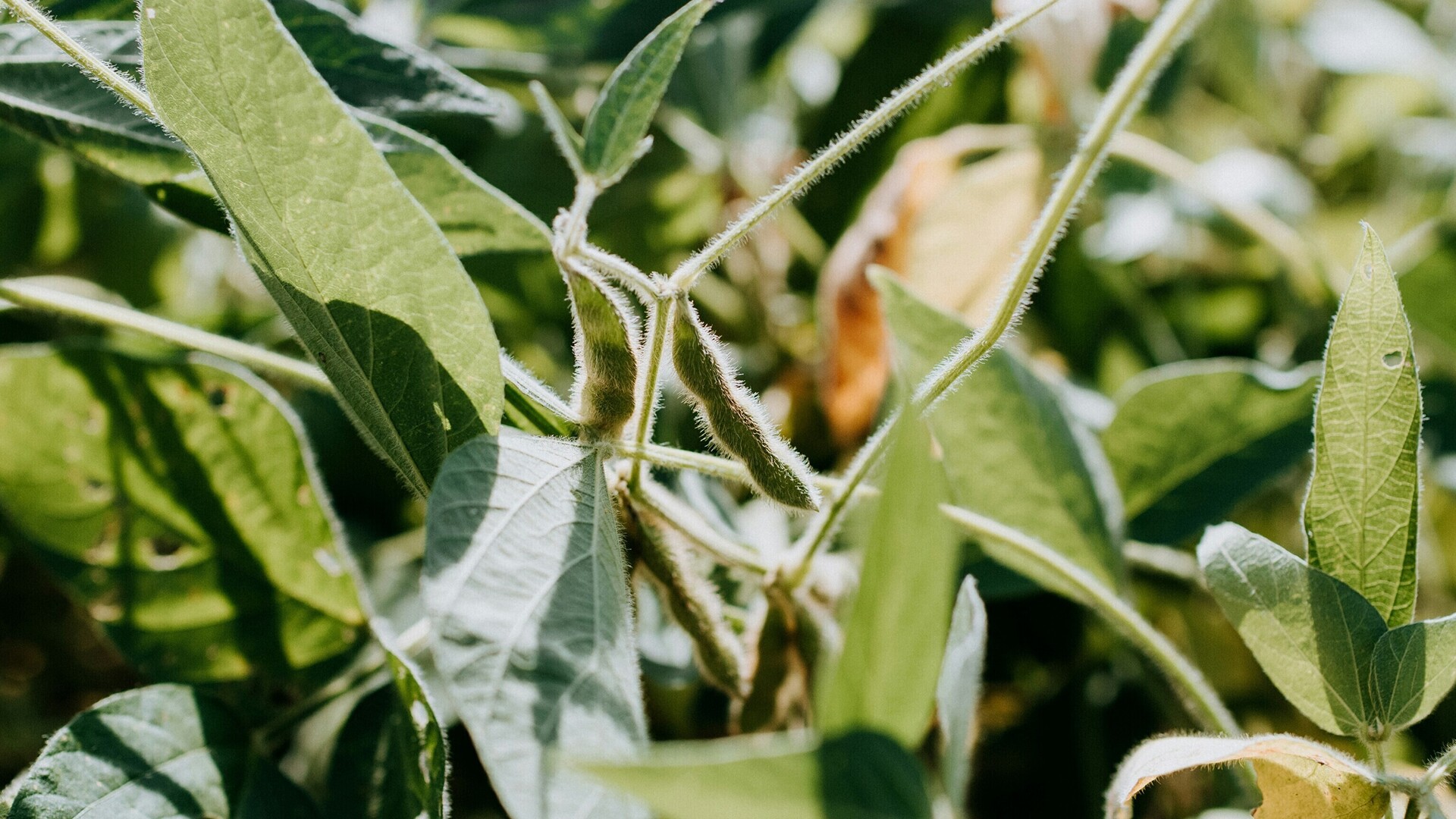
The export value of oilseeds and fatty fruits other than soy in vegetable products increased by 161%, and the value of fruit and nut exports increased by 15%. The value increase in the soy complex, Brazil's most important segment in EU agricultural trade, was 34%, while the value of soybean exports alone rose by 49%. According to the source, growth cannot be fully explained by the customs reductions under the Mercosur agreement; soybeans have long been able to enter the EU without customs duties.