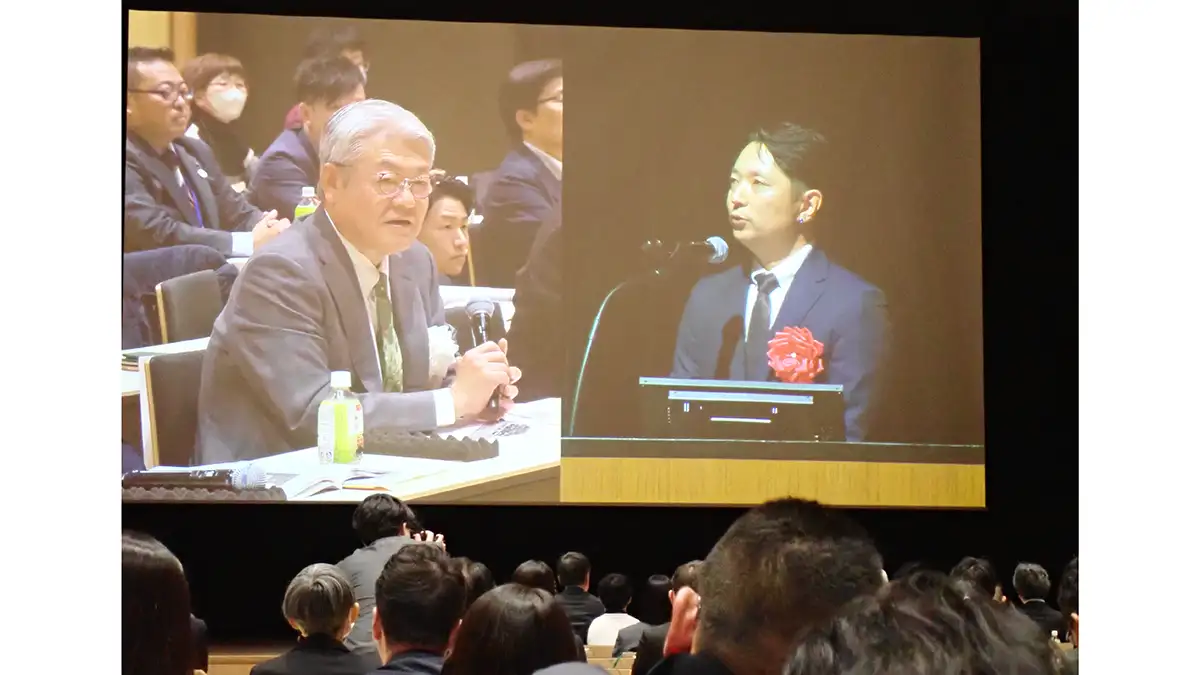
Yara International Senior Executive Svein Tore Holsether said the COVID-19 pandemic, Russia's invasion of Ukraine, and the recent cut in the Strait of Hormuz changed the company's approach to production, raw material supply, and distribution. According to Holsether, global trade networks that reduce costs and enable producers to procure raw materials from economically optimal locations can create significant vulnerabilities when supply relations are disrupted.
Yara has diversified its raw material sources to mitigate these risks and made parts of its production operations more flexible. Noting that fertilizer production requires a high amount of energy, Holsether said that it is important that production can be adjusted according to fluctuations in energy prices. However, the company manager said that resilience could be improved not only in production facilities, but also in the more efficient application of fertilizer used in farms.
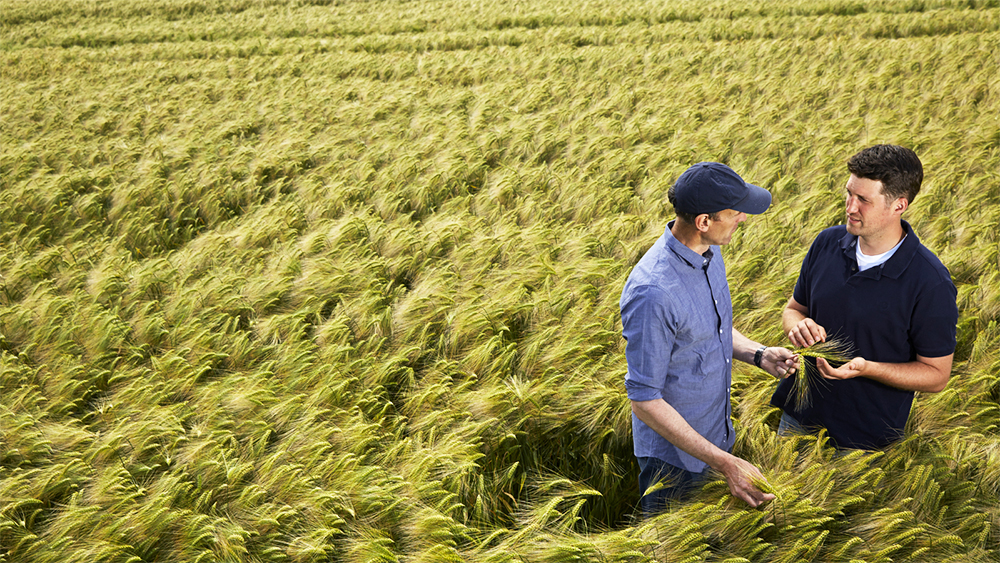
Holsether estimates that about half of global food production is directly linked to fertilizer or plant nutrients that farmers apply. Yara's tractor-mounted N-Sensor system evaluates the crop in front of the tractor and adjusts the amount of fertilizer application behind it according to the need. Thus, more fertilizer can be applied to required areas, and less to areas with low nutrient requirements. More targeted application, according to the company, can reduce consumption as well as improve product consistency and allow farmers to make better use of their spending on nutrients.
Yara also conducts biostimulants and agronomic studies to protect production under conditions of temperature stress and drought. Holsether cited studies in southern Spain with farmers facing drought and extreme temperatures, and crop losses caused by heavy rains following drought on farms outside Nairobi. In Ukraine, he said, although some farmers continued to produce, it was difficult for them to deliver their products to the market and to cover their costs. Smartphones, satellite imaging, sensors and artificial intelligence could expand access to agronomic expertise, Holsether said, saying the technology could provide more efficient production and market outcomes.