
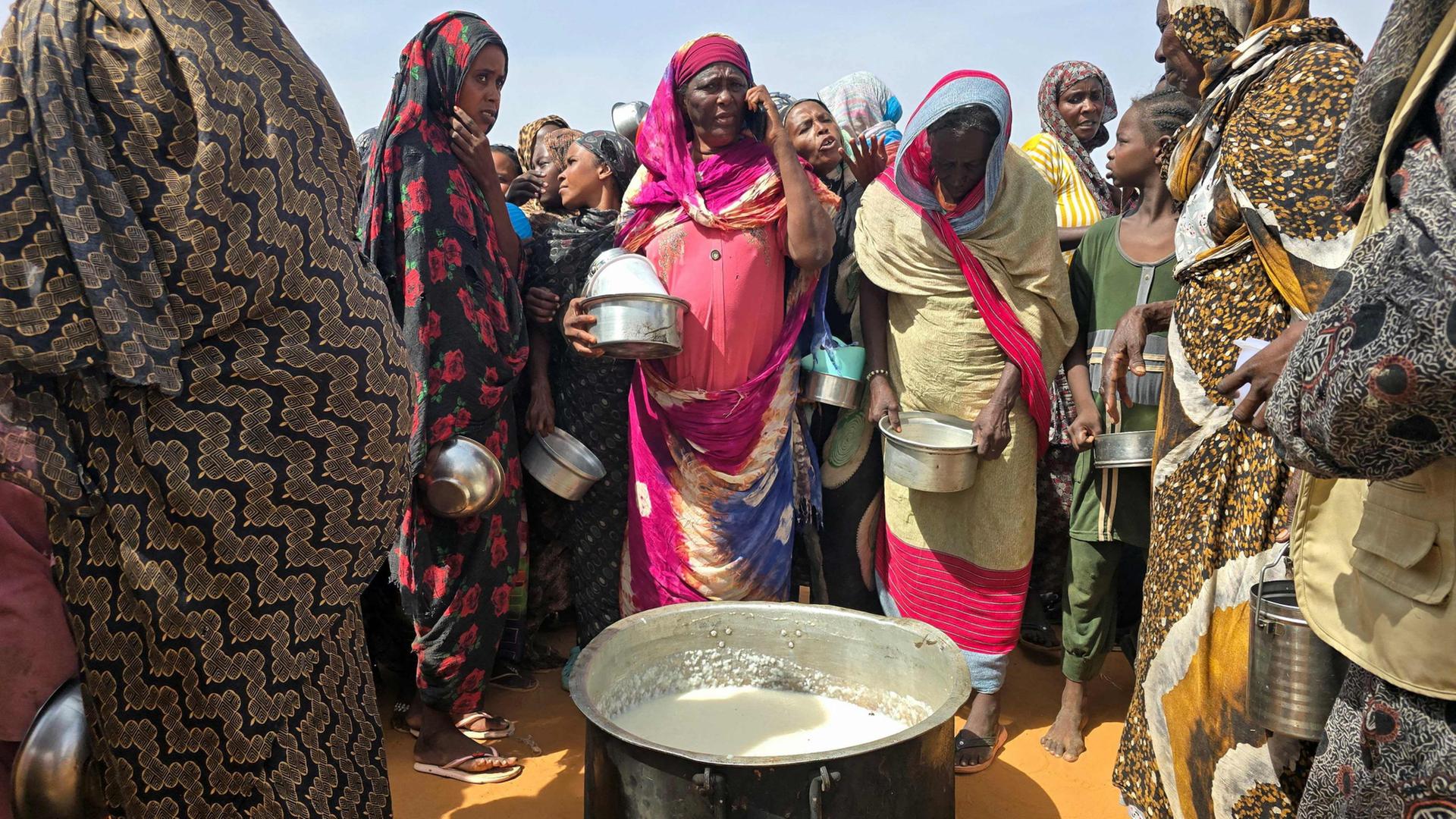
Conor Elliot, co-ordinating FAO's Network Against Global Food Crises, said food security cannot be achieved without peace. In the Darfur and Kordofan regions of Sudan, nearly four years of civil war have resulted in the deaths of tens of thousands and the displacement of over a million people. Farmers' inability to operate their fields, the disruption of supply chains, and the failure of food aid to reach those in need are deepening the crisis.
According to Elliot, 94% of Sudan's agricultural sector depends on rainfall, and many states have not received any rainfall since February. The United Nations has stated that heavy rains and floods threaten already limited harvests in East Africa, following a decline in summer rainfall due to El Niño. UN food experts estimate that the risk of famine will be realistic by January 2027 in crisis-affected areas.
The capacity of humanitarian aid agencies to intervene is also weakening. The significant reduction in budgets of key donors, particularly the United States, is also affecting monitoring and data analysis used to determine food aid needs and identify those in need. UN food organisations stress that humanitarian support is essential, but political engagement aimed at preventing wars and resolving conflicts is required to end hunger.