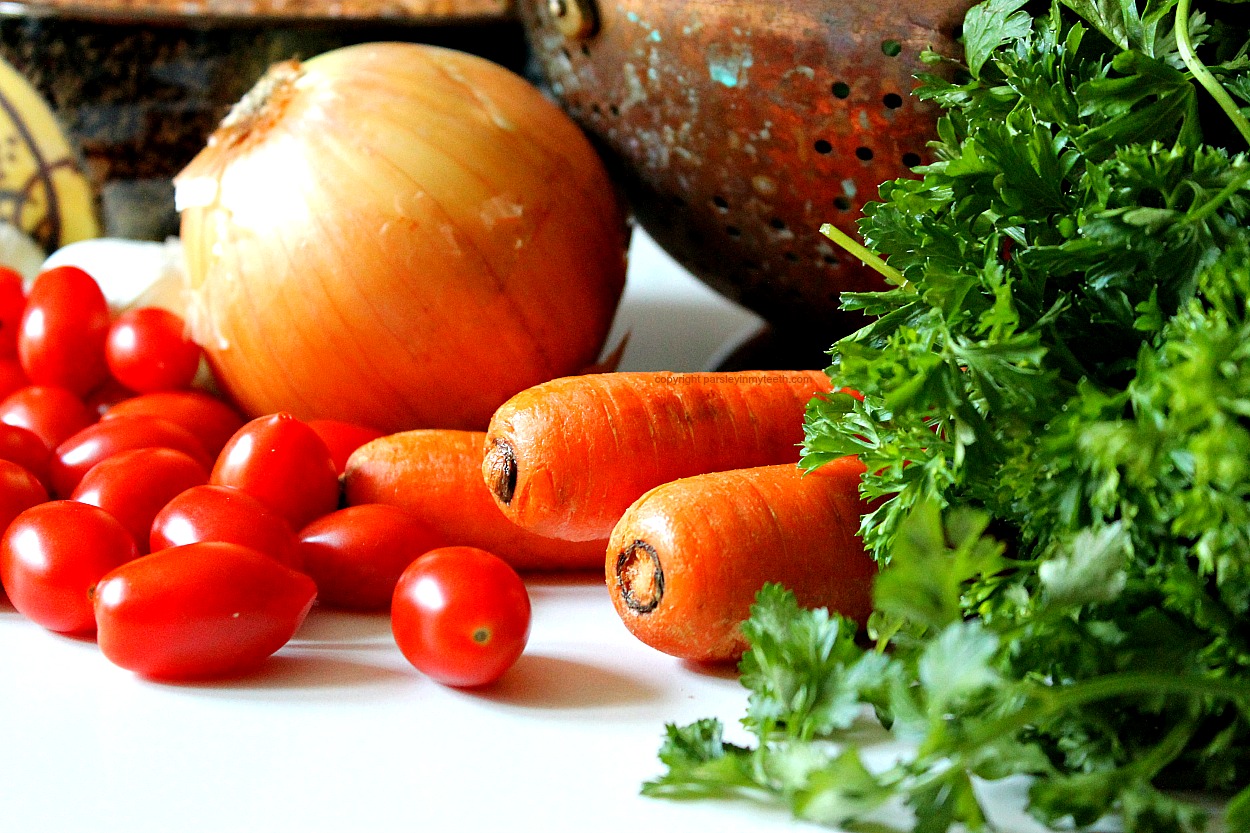
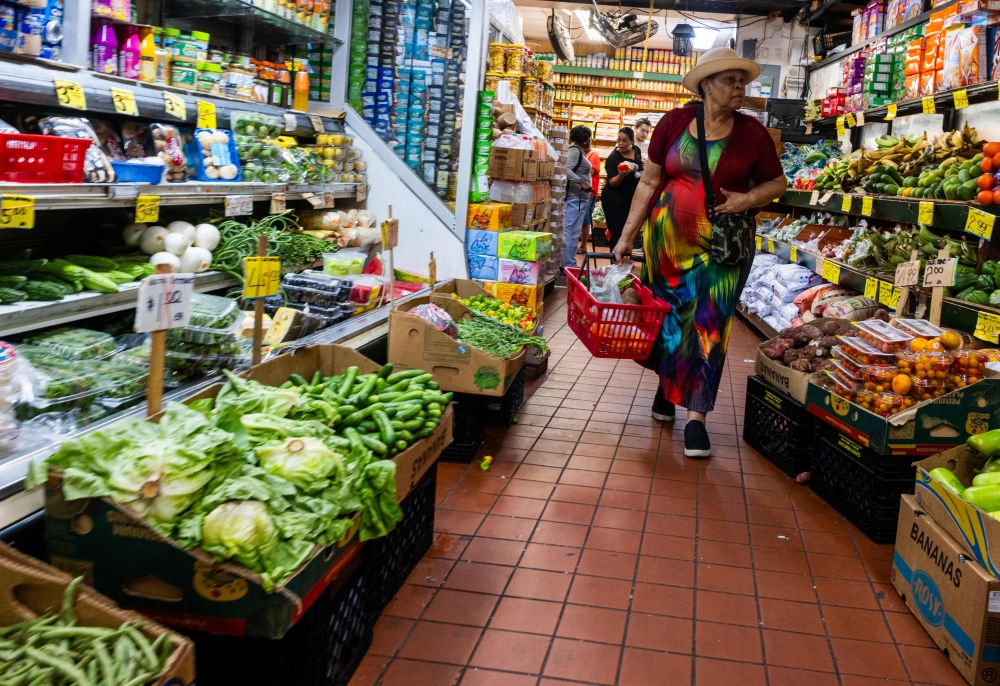
The food index rose 0.5% in October; it had not changed in September. Oxford Economics said last month that the deviation in the headline CPI forecast was due to food inflation, and that market price inflation accelerated markedly after a period of calm. The movement in food prices followed a different course than the development in energy prices.
The increase in energy prices slowed significantly in October. The gasoline index rose 1% in October, while it increased 9.1% in September compared to the previous month. The U.S. Department of Labor was unable to calculate the official annual comparison due to the government shutdown in October 2025. The Cleveland Federal Reserve Bank, on the other hand, estimated an annual increase of 3.8%, which stood above the Federal Reserve's 2% target.
The data strengthened the market's expectation of an interest rate increase from the Federal Reserve in December. In the futures trading markets, 85% of processor bets predicted a 25-basis point increase, and 15% predicted a 50-basis point increase. Federal Reserve Governor Christopher Waller said he was inclined towards a 25-basis point increase, and that a 50-basis point increase should be considered if the price dynamics in October were similar to those in the previous month. Dallas Federal Reserve President Lorie Logan argued that policy interest rates should be raised by at least 50 basis points to bring inflation trends back to target.