Horn blunting is now almost a routine practice in cattle farming. 90% of dairy breeders and 60% of beef breeders carry out this practice. The procedure is typically performed on the horn bud of very young animals and is subject to regulations regarding stabilisation and pain management. However, the process can be traumatic for animals; breeders have observed a decline in the growth curve in the days following the operation. Hornless genetics is emerging as a solution to reduce this burden and improve animal welfare.
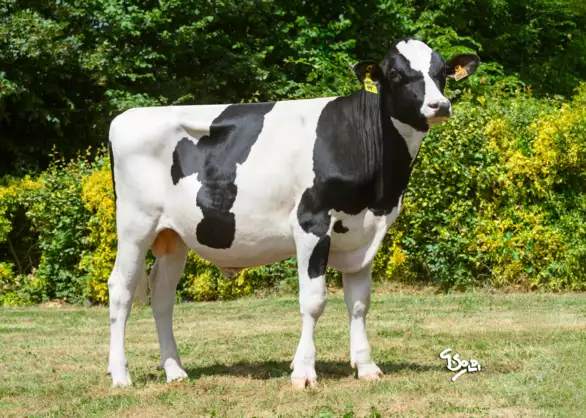
Geneticists are transferring the Polled gene, found in the natural genetic diversity of cattle, into the breeding populations of French cattle breeds, especially artificial insemination bulls. Animals carrying only one copy of this dominant gene also exhibit no horns. Prim'Holstein accounts for 65% of dairy cattle in France. A third of the bulls in this breed's catalogue are heterozygous for the Polled gene, and 10% are homozygous. Officials from Prim'Holstein France state that it is expected that the majority of bulls in the catalogue will be hornless between 2035 and 2040.
Hornless genetics research is not limited to Prim'Holstein. According to the source, the Red Alaca breed is one of the most advanced examples in this field, with 90% of its bulls carrying the gene and one-third being homozygous. In the Normande breed, the gene has been included in the breeding programme for 14 years, and hornless bulls are now available for Montbéliarde, Abondance, and Tarentaise. Studies are also underway in beef breeds such as Limousine, Charolaise, Parthenaise, and Salers. However, some local breeders argue that horns are important for appearance and breed standards, as well as for herd hierarchy, predator defence, and animal control. Therefore, the stated objective is not to eliminate the hornless gene, but to provide an alternative that reduces the need for horn blunting.