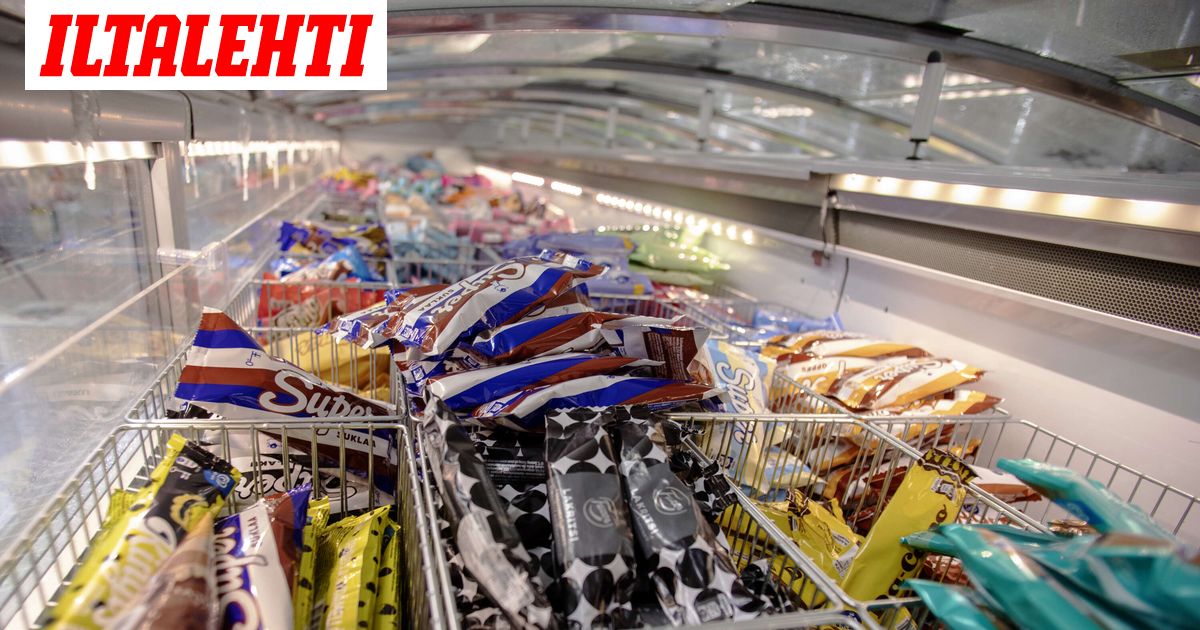
According to Jokinen, the attackers found a backdoor in the cooling devices directly connected to the Internet, breaking the built-in password based on the date some manufacturers used for maintenance operations. According to the expert's assessment, the fact that the devices were connected to the general network instead of a cloud service protected by a firewall made the attack possible. The perpetrator of the attack was not informed.
The attack was reported to be effective through automatic defrosting systems of freezing devices. Normally, the temperature was targeted at about 2–5 degrees Celsius during defrosting, while the end temperature or duration of the operation was maximized in the attack, and the temperature alarm was delayed. Heating resistances in devices can rise to about 80 degrees Celsius, so food in refrigeration devices can spoil overnight, he said.
Jokinen's rough estimate is that about 95% of refrigeration devices found in daily consumer stores in Finland are protected against such attacks, as their remote access is protected by a firewall. Events in Finland were limited to several small K-stores, which were not covered by Keskon central protection. S-Group and Lidl's cooling devices have so far not identified the problem. Jokinen said the events in France and Belgium were carried out in the same way, but it was not clear if the attacks in the countries were linked to the same perpetrator.