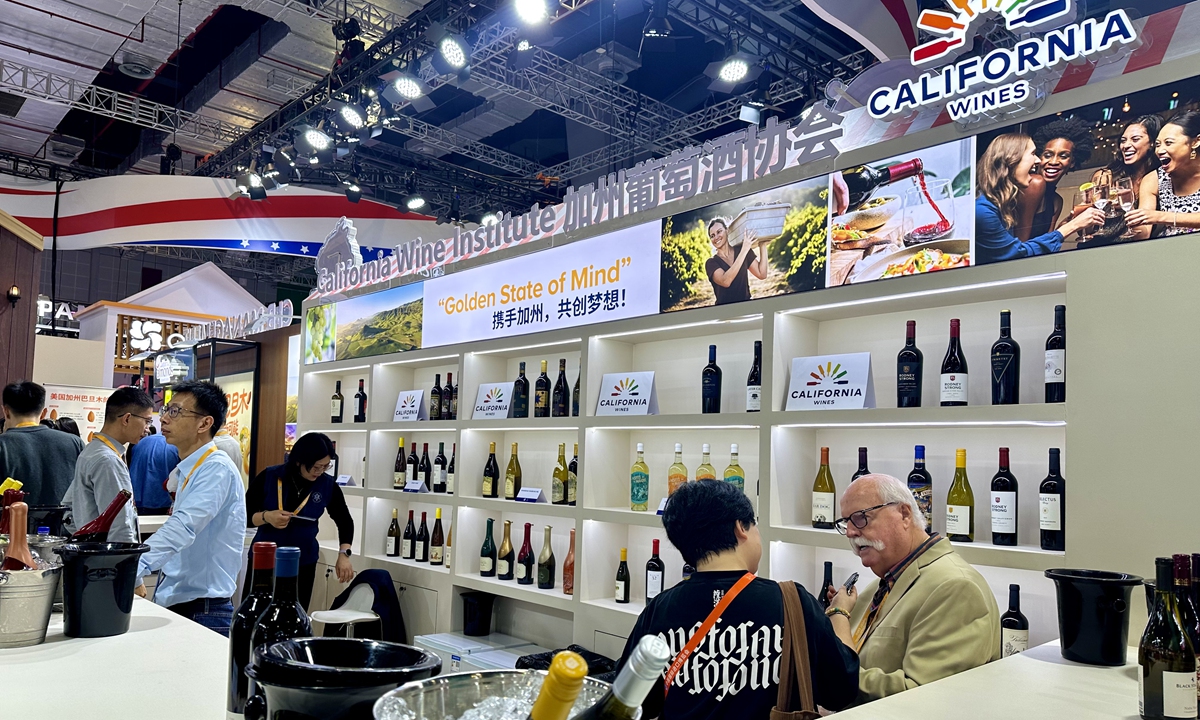
The largest agreement consisted of three contracts valued at approximately $600 million, signed by Hang Tung Resources based in Illinois for sorghum and wheat. CLB Management, based in New York, has secured a $51 million deal for beef sales, while the animal feed company Dynamite, based in Idaho, signed a $1.5 million contract. These agreements highlight the commercial interest of U.S. agricultural and food companies in the Chinese market.
Huang Ling, spokesperson of the Chinese Commerce Ministry, stated that China is always open to expanding agricultural product imports from the United States, but that this depends on the implementation of a reciprocal $30 billion customs tariff reduction agreement between the two countries. Huang called for reductions in customs duties for agricultural trade, the reduction of non-tariff barriers, and the expansion of market access.
In the eighth round of economic and commercial consultations held in September, China and the United States agreed on a mutual tariff reduction for goods imported from each other worth approximately $30 billion. It is projected that about 90% of the covered products will have their tariffs reduced to the most favoured nation rates. The reductions will be implemented simultaneously after both sides have completed their respective domestic legal procedures.
Chinese analysts stated that companies make purchasing decisions based on market demand, prices, and commercial conditions. According to analysts, in recent years, changes in the U.S. trade environment and tariff measures have led many Chinese importers to diversify their supplier base. As a result, it was stated that the United States' further implementation of mutual tariff reductions with China would create more stable conditions for bilateral agricultural trade.