
The avian influenza virus was placed in the D+E category from the C+D+E category for serotypes 1 to 24. Accordingly, trade controls to prevent the spread of the disease and surveillance and notification obligations continued, while voluntary eradication programmes and special EU provisions for the recognition of 'ari' status from the disease were abolished.
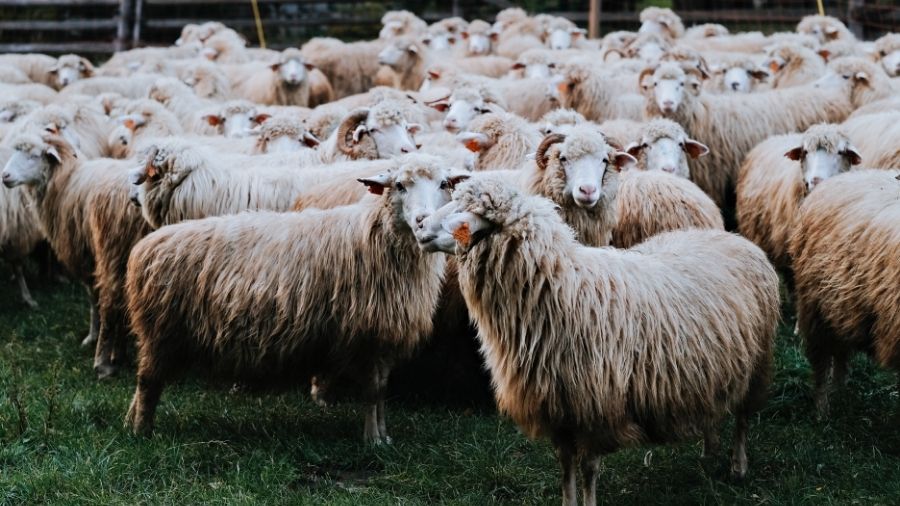
For cattle, sheep and goats shipped for breeding purposes, the usual conditions include coming from an area within a radius of at least 150 kilometres and no disease reports in the previous two years. In regions where the virus is reported seasonally, options such as staying in vector-free areas, operating in protected establishments or vaccination can be applied. According to these options, waiting times and required tests vary; vaccination must cover all serotypes reported in the area of origin in the previous two years.
Special provisions apply to direct dispatches to slaughterhouses, and in foreseeable cases, animals must be slaughtered within 24 hours of arrival. Derogations under Article 13 for cattle and Article 17 for sheep and goats may be used where the usual conditions are not met; however, the country of arrival must have previously notified the types of movements it accepts. Regulations on germinal material, including sperm, ovocytes and embryos, were also updated in health certificates.