According to the source, the fight against food insecurity does not require only increasing agricultural production. While the distribution and affordability of food is being improved, the capacity of households to support their own food supply needs to be strengthened. In this context, it is proposed to reassess household agriculture and domestic food. Umbila (maize), morogo or imifino (traditional leafy vegetables), pappoen (honeycup), patats (sweet potato), and burrito are among the products consumed over generations that can contribute to food security.
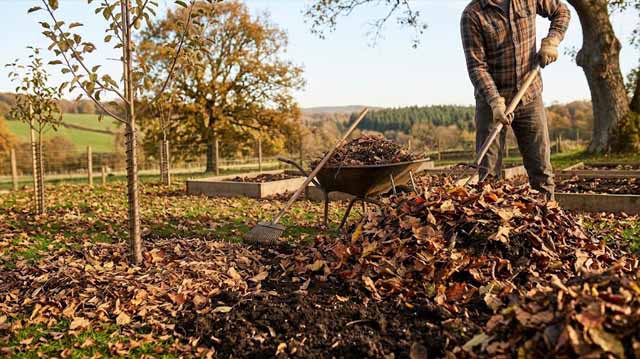
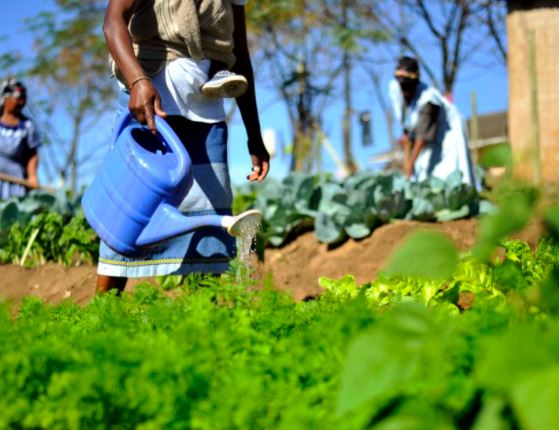
Home gardens can reduce pressure on the food budget by growing vegetables and suitable crops for families' own consumption. For households with limited space, community gardens provide opportunities for resource and skill sharing. Community gardens were documented in Sebokeng, Evaton, Sharpeville, Boipatong and Tshepiso in Gauteng; and in Cape Town, Khayelitsha, Gugulethu and Nyanga. The source also notes that Cuba's practices for urban production, which use backyards, vacant spaces and community gardens together, can also be learned from.
It is also recommended that food production skills be transferred across generations through families, community gardens, agricultural organizations and schools. The School Food Garden Initiative, linked to the Ministry of Basic Education's National School Nutrition Program, was launched in 2004 and provides students with practical experience in agriculture. David Jacobs notes that the government should strengthen support by offering seeds, tools, water, suitable land and practical farming guidance to households and community gardens.