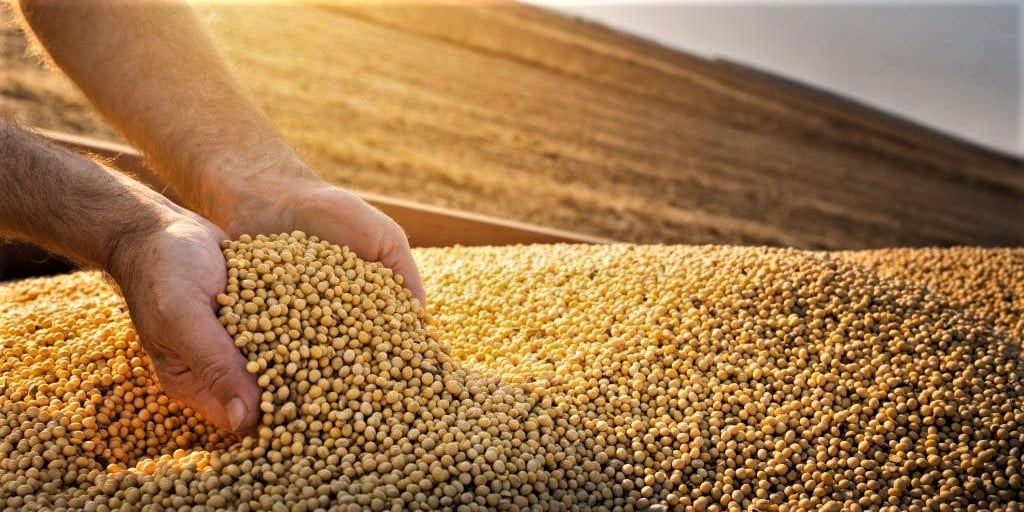
The study identified four diseases — including Asian rust and target spot — five pests such as whiteflies, and nine weeds. Researchers compared three scenarios: no control, partial control providing up to 40% protection of the field, and optimum control delivering 80% protection. Estimated yields were calculated at 72 sacks per hectare under optimum control, 52 sacks under partial control, and 32 sacks under uncontrolled conditions. Partial control resulted in a 28% lower yield compared to the optimum scenario.
The study found that an additional 33.5 million hectares of soybean area would be required to offset the losses caused by inadequate control. In the uncontrolled scenario, the average production loss was 121.3 million tonnes, valued at 223.5 billion reais. Soybean export revenue was simulated at $44.2 billion under optimum control conditions and $26.6 billion under uncontrolled conditions. The reduction in supply was projected to increase soybean prices by up to 49% and add approximately 0.26 percentage points to official inflation. The study evaluated possible control methods including biotechnology, genetic improvement, biological inputs, chemical plant protection products and integrated pest management.