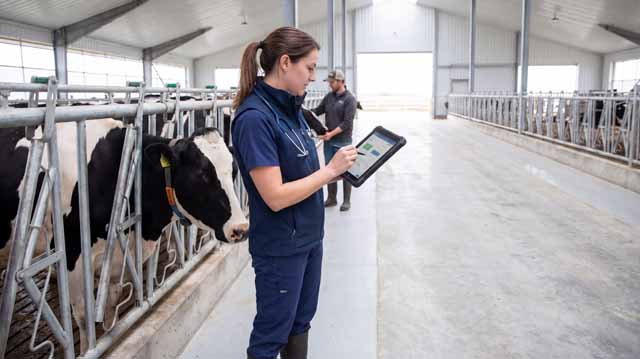
Artificial intelligence in dairy cattle can analyze changes in milk yield, movement and behavior of animals, possible periods of stress, feed rations, and feed costs. A reduction in feed consumption, change in movement, or decrease in milk yield may indicate a possible problem. However, the technology depends on the accuracy of the devices, the quality of the data, and the correct organization of farm management. Warnings generated by artificial intelligence do not replace the veterinarian; the diagnosis of disease must be made by a veterinarian.
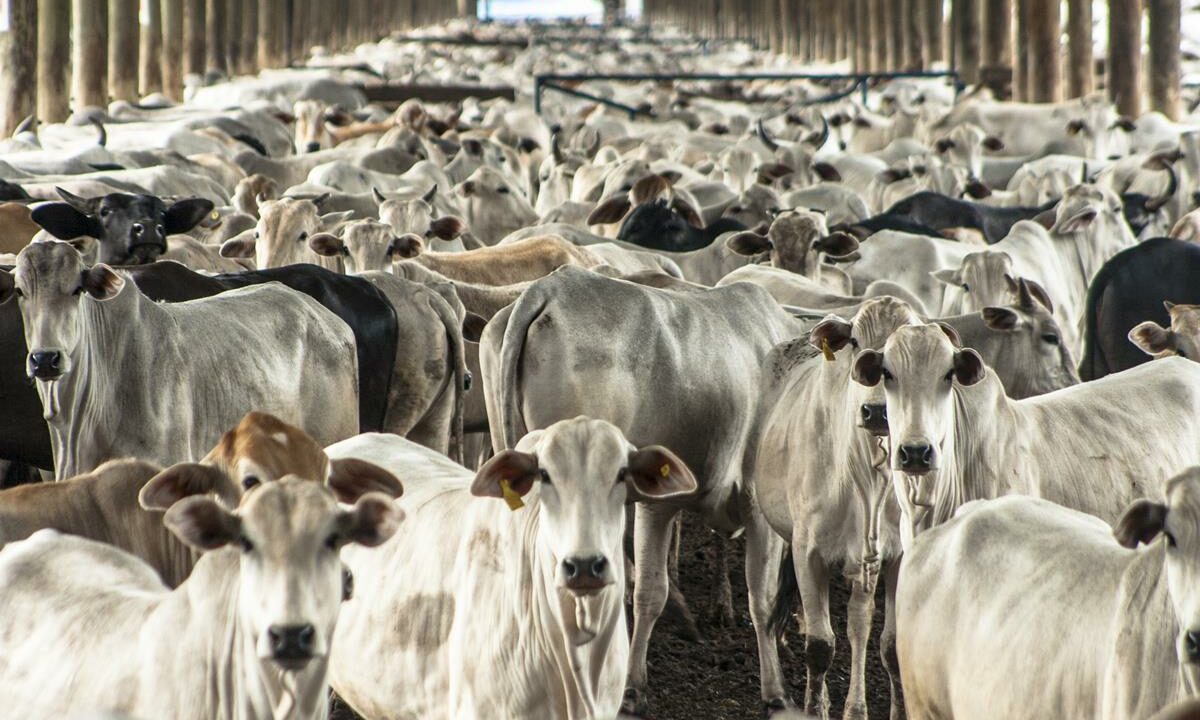
Digital weighing and data analysis in beef cattle can enable comparison of the growth dynamics of animals and the results of different feeding regimes. The feed conversion ratio (FCR) can be used to assess the amount of feed required for live weight gain; however, the results need to be interpreted taking into account the age, breed, health, and housing conditions of the animal.
The Farm Management System (FMS), which operates within the Ministry of Environmental Protection and Agriculture in Georgia, supports animal registration and farm management and is linked to the National System of Animal Identification and Traceability (NAITS). The resource recommends conducting pilot projects in dairy, feed, and small family farms; assessing the maintenance cost of technology and the economic benefits it provides to farmers. Experts must also be trained to combine data literacy with livestock knowledge.