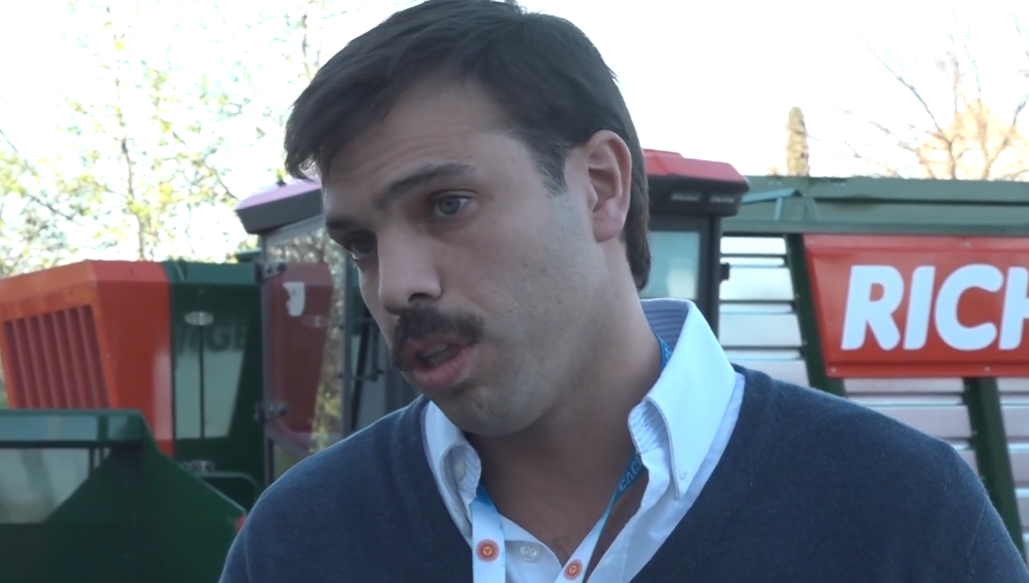
According to Minutti, rainfall was directly related to the results obtained. The fact that a significant portion of production in Uruguay depends on rainfall means that climate conditions are one of the factors affecting the nutritional value of silage. In addition, harvest time stands out as a management area where producers, advisors, and contractors can make more decisions. It was stated that harvesting carried out when the dry matter level was very low could also reduce the starch content, while silage prepared at the appropriate time and within the appropriate dry matter range could provide more energy to the system.
The problem does not arise solely in feeding. A low-starch silage can be supplemented with maize or other energy-containing feed to meet the energy needs of animals. In this case, the producer first incurs costs for establishing the silage, and then incurs additional expenses to complete the ration when the nutritional value of the reserve falls below expectations. Warm periods, symptoms of plant stress, the start of harvesting by neighbouring farms, or concerns that the contractor will be late can lead to preparing silage before the appropriate time.
Minutti did not present it as an invariant prescription, but shared the '35, 35, 35' rule as a practical reference. According to this, a target of approximately 35% dry matter, 35% starch, and 35% neutral detergent fibre is aimed for. While climate conditions do not always allow these values to be achieved together, the goal is considered to be a guideline to ensure that a costly silage reserve does not fall below the energy it can provide.