
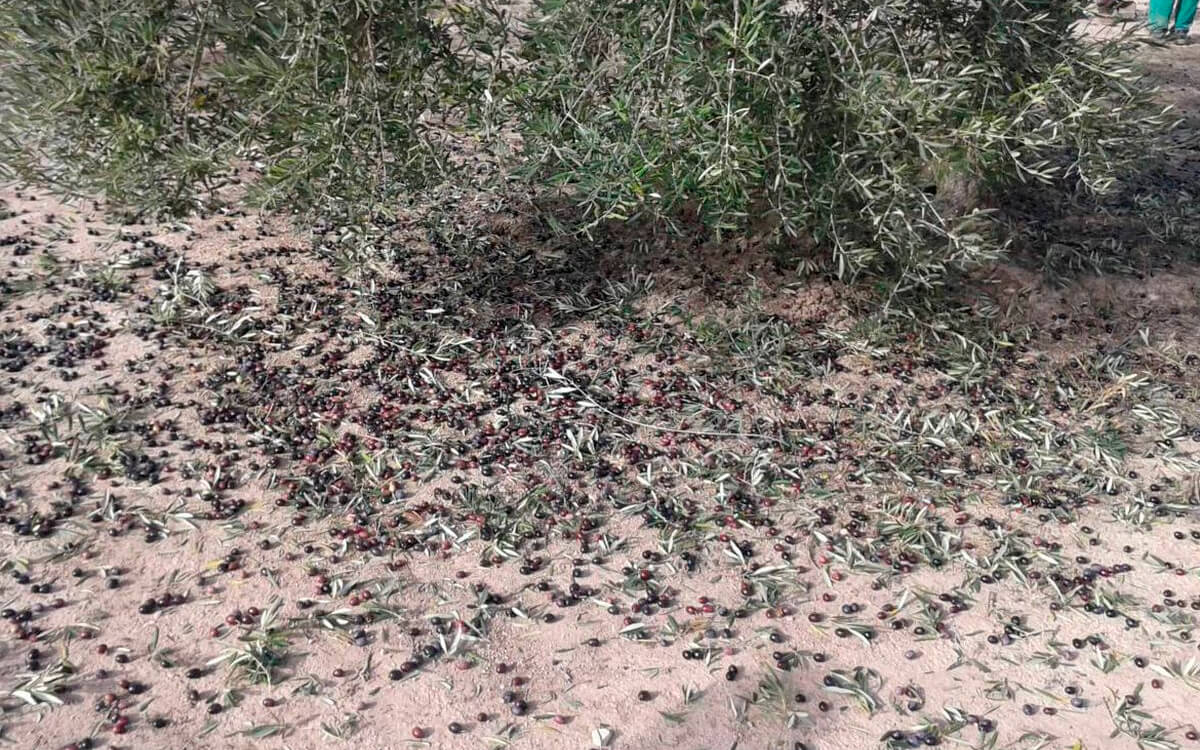
Fruit drop caused by the olive moth may be too late for intervention when symptoms are observed, while prevention is recommended to begin during the summer and to support natural enemies such as chrysops. Toothed edges on leaves may indicate otiorrinco pest, which can affect the development of young olive trees under intense attacks. As there is no authorised chemical treatment against this pest, it is advised that weeds be cleared and adhesive tape be applied to tree trunks.
Before assuming that fallen olives are due to olive moth, olive bark beetle or escudete disease, investigations into the causes of olive fly and weather conditions should be carried out. It is recommended that pruning wood be broken down or removed in areas affected by the olive bark beetle, while in areas affected by escudete, damaged or mummified fruits should be collected. Integrated pest management is emphasised in citrus, and it is requested that symptoms of the Japanese beetle be reported to authorised agricultural units; the pest has not yet been detected in Andalusia.